Heavy-Duty Brake Repair in Blair, NE Built Around Safety, DOT Readiness, and Uptime
Brake problems are not the kind of repair item you can afford to delay. STS Truck Services helps drivers, owner-operators, and fleets diagnose and repair air brake issues, trailer brake problems, worn brake components, ABS concerns, and DOT-related brake defects before they turn into unsafe stops, failed inspections, roadside downtime, or more expensive repairs.
Brake Issues We Help Prioritize
- Air leaks, pressure loss, and air system concerns
- Slack adjusters, brake chambers, spring brakes, and hardware
- Brake shoes, drums, rotors, and friction material wear
- ABS warning lights, trailer brake issues, and recurring brake complaints
- DOT brake violations that need clear repair direction
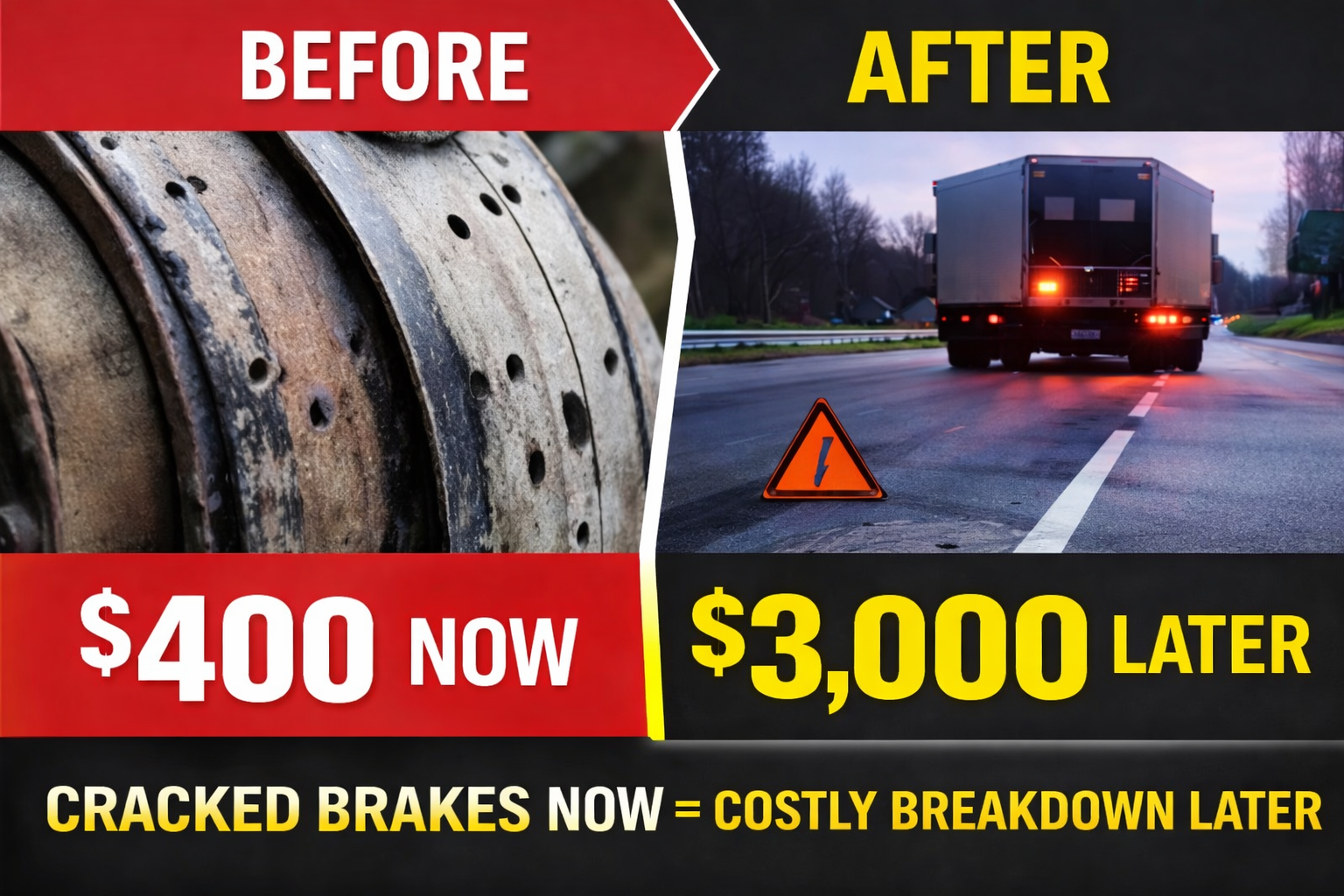
Brake Problems Need Clear Answers and Fast Action
A brake concern affects more than drivability. It affects stopping distance, safety, compliance, and your ability to keep working. Waiting too long can turn a repair that should have been handled today into a bigger downtime event tomorrow. That is why brake issues need to be identified clearly and prioritized correctly.
A Brake Issue Can Cost More Than the Repair Itself
The real cost of a brake problem can include downtime, missed loads, failed inspections, roadside delays, safety exposure, and driver frustration. Handling brake problems early helps reduce risk and gives you a better chance to control cost before the problem grows.
What You Should Expect From Brake Repair
You deserve a shop that helps you understand what is wrong, how urgent it is, and what needs to be addressed now versus what can be planned. Brake repair decisions should be clear, practical, and centered on safety, DOT readiness, and uptime.
Why Brake Repairs Cannot Wait Too Long
A brake issue is not just another repair item. It directly affects vehicle control, driver confidence, roadside inspection exposure, and whether the truck or trailer can safely stay in service.
Common Brake System Concerns
If your truck or trailer is showing signs of brake trouble, these are some of the issues that often need attention.
Air Leaks
Air system leaks can affect brake performance, parking brake release, pressure recovery, and DOT compliance.
Weak or Uneven Braking
Changes in stopping feel, response, or braking balance should be checked before the problem worsens.
Worn Brake Components
Brake shoes, drums, chambers, hardware, slack adjusters, and related components need attention before wear creates bigger issues.
Trailer Brake Problems
Trailer braking issues can affect safety, handling, stopping distance, and compliance just as much as tractor-side concerns.
Inspection Failures
Brake items found during inspections should be handled quickly to avoid more downtime and compliance issues.
Recurring Brake Concerns
If the same brake problem keeps coming back, the full system may need a closer look instead of a quick fix.
Heavy-Duty Air Brake System Repair
Heavy-duty air brake systems contain dozens of components that must work together to provide safe, consistent stopping power. A problem in one area can affect the performance of the entire system.
Brake Chambers, Spring Brakes & Slack Adjusters
Brake chambers, spring brakes, and slack adjusters are critical to safe stopping performance. Wear, damage, or adjustment concerns can create braking imbalance, reduced stopping ability, and DOT exposure.
Air Leaks, Pressure Loss & Air System Concerns
Air leaks can come from lines, fittings, valves, chambers, air dryers, or compressor-related concerns. Finding the actual source matters so the problem does not return.
Brake Shoes, Drums, Rotors & Hardware
Worn friction material, cracked drums, damaged hardware, and contaminated components can turn into unsafe braking and inspection problems if they are not handled early.
ABS Warning Lights & Brake Diagnostics
ABS concerns can point to wheel-end, sensor, wiring, or control issues. Proper diagnostics help separate the real fault from a guessed repair.
Warning Signs It Is Time to Have the Brakes Checked
Some brake problems are obvious. Others start small and become serious fast. These signs should not be ignored.
Air Pressure Concerns
If air pressure is dropping abnormally, pressure recovery is slow, or the system is not acting the way it should, the truck needs attention.
Inspection or DOT Issues
If brake defects were found during an inspection, it is best to address them before they create bigger downtime problems.
Change in Stopping Feel
If braking performance feels different, weaker, slower, or uneven, the system should be checked right away.
Visible Wear or Damage
Obvious wear, air leaks, cracked drums, damaged brake hardware, or contaminated components are signs that the issue should not be pushed off.
Noise or Air System Irregularities
Brake-related noises or changes in air behavior can point to issues that need prompt attention.
Most Common DOT Brake Violations We Find
Brake violations remain one of the most common reasons commercial vehicles are placed out of service during roadside inspections. Many of these issues develop gradually and can often be identified during routine maintenance before they become a compliance problem.
Out-of-Adjustment Brakes
Adjustment concerns can reduce stopping performance and create inspection exposure.
Air System Leaks
Leaks in lines, fittings, chambers, or valves can affect pressure and braking reliability.
Worn Linings or Damaged Drums
Worn friction material, cracked drums, damaged rotors, or contaminated brake components should be handled promptly.
Defective Chambers, ABS, or Hardware
Defective brake chambers, inoperative ABS systems, missing hardware, and damaged components can all become DOT concerns.
Why Brake Repair Matters for Fleets and Owner-Operators
Brake service is about more than repair cost. It is about preventing risk, protecting drivers, and reducing downtime that affects the rest of the operation.
For Owner-Operators
Brake issues can mean lost revenue, failed inspections, and safety problems that disrupt your ability to keep moving.
For Fleets
Clear brake repair priorities help reduce safety exposure, improve uptime, and make repair planning easier across multiple units.
For Long-Term Reliability
Addressing brake wear and system issues early helps prevent more disruptive and more expensive failures later.
Frequently Asked Questions About Truck Brake Repair
Straight answers for fleets, drivers, and owner-operators dealing with heavy-duty brake concerns.
How often should heavy-duty truck brakes be inspected?
Truck brakes should be inspected regularly as part of a preventive maintenance program, during DOT inspection preparation, and any time braking performance, air pressure, or brake system behavior changes. Severe-duty operation may require more frequent inspections.
What causes air brake pressure loss?
Air brake pressure loss can be caused by leaking air lines, damaged fittings, defective brake chambers, faulty valves, air dryer concerns, air compressor issues, or other air system components.
Can brake problems cause a DOT inspection failure?
Yes. Brake defects such as out-of-adjustment brakes, air leaks, worn linings, cracked drums, defective chambers, damaged hardware, or inoperative ABS components can create DOT compliance problems and may place a vehicle out of service.
What are signs of worn truck brake components?
Warning signs include reduced stopping performance, uneven braking, air pressure concerns, brake noise, visible wear, damaged hardware, inspection findings, or recurring brake problems.
Do trailer brake problems affect DOT compliance?
Yes. Trailer brake systems are safety-critical and can affect stopping distance, vehicle control, roadside inspection results, and DOT compliance just like tractor-side brake concerns.
Need Brake Repair or DOT-Related Brake Help?
Call now or request service online to get practical repair guidance, clear priorities, and service built around safety and uptime.
Contact STS Truck Services
Reach out for brake repair, air brake concerns, inspection-related issues, trailer brake service, and diesel fleet support in Blair, Omaha, Fremont, Council Bluffs, Missouri Valley, and the I-29/I-80 corridor.
Reach the Shop
Phone: 402-533-2056
Email the Shop: stsrepair@sterlingtransportationservices.com
Address: 270 Grant Street, Blair, NE 68008
Service Area
Blair, Nebraska
Omaha, Nebraska
Fremont, Nebraska
Council Bluffs, Iowa
Missouri Valley, Iowa
I-29 and I-80 corridors