Transmission & Clutch Repair in Blair, Nebraska Before a Small Drivability Problem Becomes Major Downtime
Slipping. Grinding. Hard shifting. Poor engagement. If your truck is already showing transmission or clutch trouble, waiting usually makes the repair bigger, the downtime longer, and the final bill harder to control. STS Truck Services helps fleets and owner-operators catch drivability problems early, diagnose them correctly, and act before a smaller issue turns into a much more expensive failure.
What This Page Helps You Avoid
- Slipping clutches and worsening engagement problems
- Shifting issues that grow into larger failures
- Drivetrain-related drivability complaints and lost productivity
- Reactive repairs that create longer downtime and higher costs
Why Transmission & Clutch Problems Get Expensive Fast
When the truck does not shift correctly, loses pulling power, or starts showing signs of clutch trouble, it affects far more than the drive itself. It affects routes, schedules, customer commitments, driver confidence, and your ability to keep the truck productive without risking a bigger problem on the road.
A Smaller Drivability Complaint Can Turn Into a Much Bigger Repair
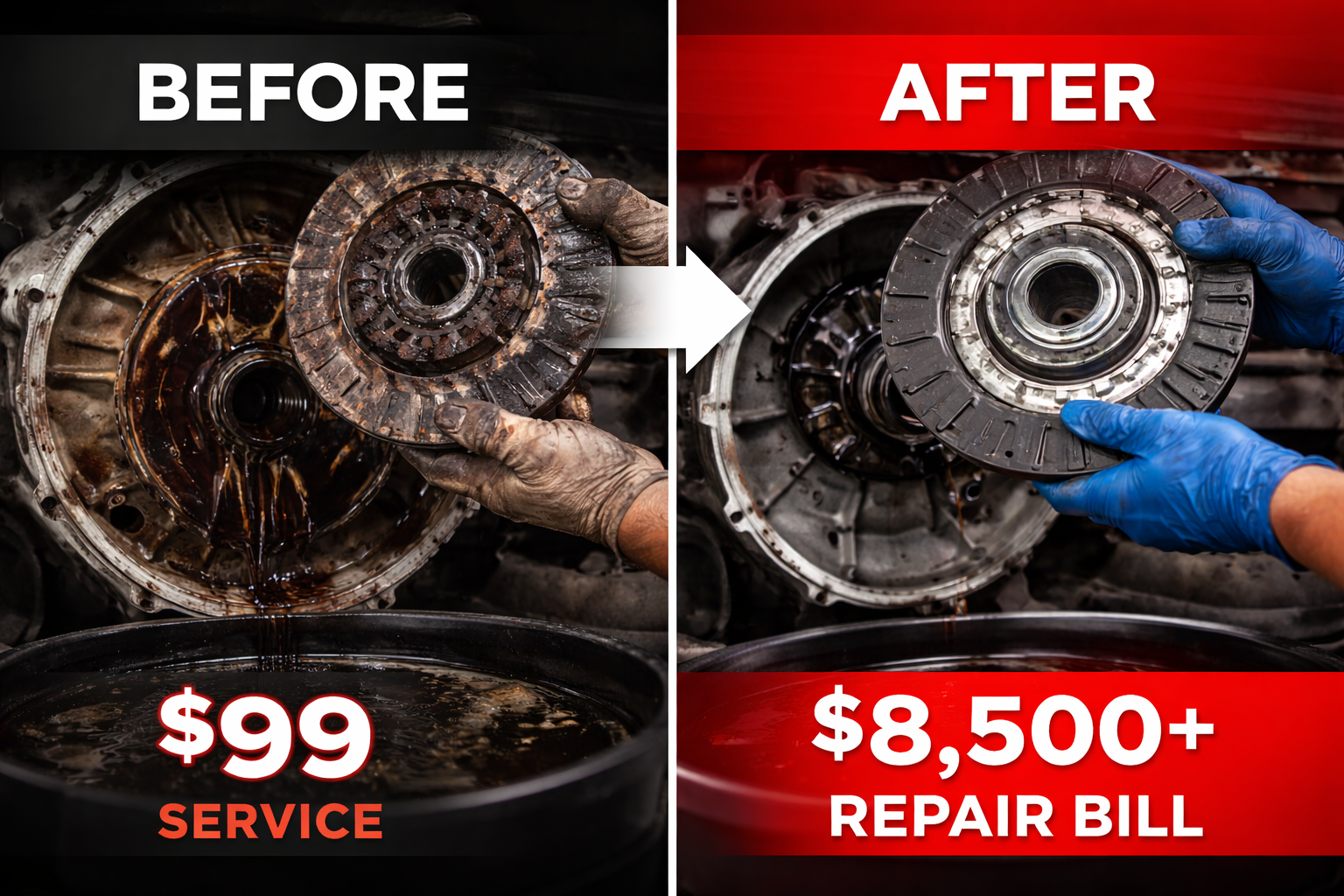
A clutch that is slipping or a transmission that is shifting poorly may feel like something you can work around for a while. That is usually when the repair bill starts climbing. The longer the issue keeps going, the more likely you are to end up with more damaged components, more lost time, and a much more disruptive downtime event than you had to.
What Early Attention Protects
Early clutch and transmission service helps protect drivability, pulling performance, shift quality, and scheduling before damage spreads into a larger and more expensive downtime event.
Why This Matters Operationally
Transmission and clutch problems can take a truck out of productive use faster than most operators want to admit. Acting early helps protect routes, customer commitments, and uptime before the truck forces the decision for you.
Common Transmission & Clutch Problems
Many clutch and transmission issues show up as drivability complaints before they turn into full breakdown events. These are some of the early warning signs worth taking seriously.
Clutch Slipping
If the engine revs but the truck does not respond the way it should, a slipping clutch may already be hurting performance and putting more stress on related components.
Shifting Issues
Hard shifting, delayed engagement, grinding, or inconsistent gear changes are all signs the truck needs attention before drivability gets worse and repair costs rise.
Drivetrain Concerns
Some complaints that feel like a clutch or transmission issue can also involve other drivetrain components working together under load, which is why proper diagnosis matters.
Loss of Drivability
When the truck becomes harder to control, less predictable, or less responsive, the issue stops being a nuisance and becomes a direct uptime and reliability problem.
Clutch Wear, Engagement, and Adjustment Concerns
Clutch problems often start as small drivability changes. Slipping, grabbing, poor engagement, grinding, or changes in pedal feel can be signs that the clutch system needs attention before damage spreads.
Slipping Under Load
If engine RPM rises without matching truck response, the clutch may be losing holding power and putting more stress on related components.
Poor Engagement
Hard engagement, delayed engagement, or inconsistent feel can point to wear, adjustment, linkage, hydraulic, or component concerns.
Grinding During Shifts
Grinding can be caused by clutch adjustment, worn clutch parts, transmission wear, linkage concerns, or operator-related factors.
Heat and Contamination
Heat, leaks, contamination, and heavy use can shorten clutch life and increase the cost of waiting.
Related Drivetrain Stress
A clutch problem can create added stress through the drivetrain, including mounts, driveline parts, and transmission components.
Repair Timing
Finding the problem early gives you a better chance to plan repair instead of being forced into downtime.
Transmission and Drivetrain Areas We Commonly Evaluate
A shifting complaint is not always one part. STS looks at the connected systems that affect drivability, power transfer, and repair decisions.
Transmission Operation
Hard shifting, noise, delayed engagement, gear issues, and changes in drivability help guide the diagnostic path.
Clutch System Condition
Wear, adjustment, linkage, pedal feel, engagement, and related components can all affect how the truck shifts and pulls.
Mounts and Connected Hardware
Loose or worn mounts and related hardware can create vibration, noise, and stress that feels like a drivetrain problem.
Driveline and U-Joint Influence
Driveline issues can mimic or compound transmission complaints, especially under load or during acceleration.
Fluid and Heat Concerns
Fluid condition, leaks, heat, and contamination can affect performance and shorten component life.
Fleet Uptime Priorities
The repair plan should consider urgency, safety, parts availability, downtime risk, and how the truck is used.
What STS Helps You Do
STS helps you act before a drivability issue turns into a major downtime event. The goal is to identify what is affecting performance, explain the problem clearly, and help you make a smart repair decision before costs stack up any further.
Catch Problems Earlier
Acting on shifting complaints, slipping, or engagement problems early can help reduce the chance of more extensive damage and keep more time on your side.
Protect Uptime
The sooner the issue is addressed, the better the chance of keeping the truck productive instead of dealing with avoidable downtime that hits schedules and revenue.
Make Smarter Repair Decisions
Transmission and clutch issues affect major systems. Good decisions early help reduce guesswork, control escalation, and keep repairs tied to what the truck actually needs.
When To Get the Truck Checked
If the truck is already showing performance issues, waiting rarely improves the outcome. Most of the time, it just gives the problem more time to grow and makes the final repair harder to control.
Do Not Wait for Total Failure
By the time the truck fully loses drivability, the repair discussion is often bigger, more disruptive, and more expensive than it needed to be.
Pay Attention to Early Signs
Slipping, grinding, trouble engaging gears, and reduced pulling performance are all signs the truck should be inspected sooner rather than later.
Stay Ahead of Downtime
Addressing the issue before it strands the truck helps protect schedules, drivers, customer commitments, and the rest of your workload.
Frequently Asked Questions About Transmission and Clutch Repair
Transmission and clutch problems can show up as shifting complaints, vibration, engagement problems, or loss of pulling power before the failure becomes obvious.
What causes a clutch to slip?
A slipping clutch can be caused by clutch wear, improper adjustment, contamination, heat, pressure plate concerns, linkage or hydraulic issues, driving conditions, or related drivetrain problems.
What are signs of transmission trouble?
Signs can include hard shifting, grinding, delayed engagement, transmission noise, slipping, loss of pulling power, fluid concerns, vibration, or changes in drivability.
Why is my truck hard to shift?
Hard shifting can come from clutch adjustment issues, worn clutch components, linkage problems, transmission wear, fluid concerns, or other drivetrain-related problems.
When should a clutch be replaced?
A clutch should be inspected when there is slipping, poor engagement, grinding, vibration, burning smell, loss of pulling power, or adjustment problems. Replacement depends on diagnosis and wear level.
Can transmission problems damage other drivetrain components?
Yes. Transmission and clutch problems can increase stress on the driveline, mounts, U-joints, differential, axles, and other connected components if ignored.
What causes gear grinding?
Gear grinding may be caused by clutch adjustment, worn clutch parts, operator-related issues, linkage concerns, transmission wear, or other drivetrain problems that require inspection.
Need Transmission or Clutch Repair Before It Turns Into Bigger Downtime?
Bring the truck in before slipping, shifting issues, and drivability complaints become a larger repair, longer downtime, and a much harder cost to control.
Contact STS Truck Services
Reach out for transmission concerns, clutch complaints, shifting issues, drivability problems, and drivetrain-related repair support before a smaller issue turns into a larger downtime event.
Reach the Shop
Phone: 402-533-2056
Email the Shop: stsrepair@sterlingtransportationservices.com
Address: 270 Grant Street, Blair, NE 68008
Service Area
Blair, Nebraska
Omaha, Nebraska
Fremont, Nebraska
Council Bluffs, Iowa
Missouri Valley, Iowa
I-29 and I-80 corridors