Oil & Fluid Service in Blair, Nebraska That Helps Prevent Expensive Engine and Transmission Failures
Delayed oil and fluid service is one of the fastest ways to let heat, friction, and contamination start working against your truck. STS Truck Services helps fleets and owner-operators stay ahead of preventable wear with OEM-guided fluid service built to protect performance, reduce downtime, and stop smaller maintenance needs from turning into major repair bills.
What This Page Helps You Avoid
- Expensive engine and transmission damage from delayed service
- Wrong fluid decisions that increase wear and heat
- Routine maintenance turning into avoidable downtime
- Reactive repairs that cost far more than planned service
Why Oil & Fluid Service Matters
Proper oil and fluid levels do far more than keep things moving. They help protect critical internal components from friction, excess heat, and contamination that can quietly build into serious performance issues and much larger repair costs. One delayed service can start a chain reaction that is far more expensive than most operators expect.
Fluid Neglect Usually Gets Expensive Before People Realize It
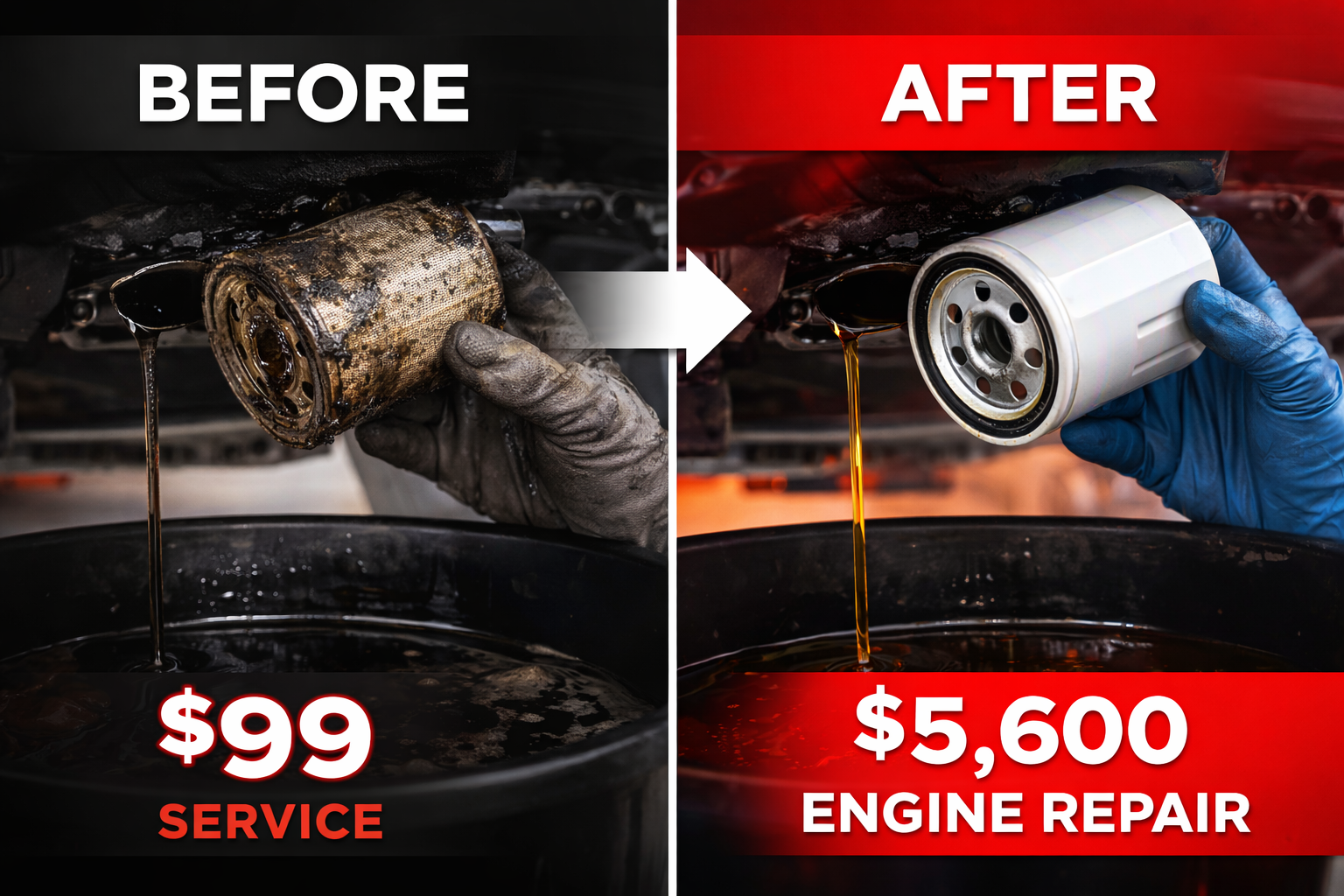
Most major lubrication-related damage does not start with a dramatic failure. It starts with stretched service intervals, dirty fluid, rising heat, and internal wear that nobody sees right away. What should have been a routine oil or fluid service can turn into a much more expensive engine or transmission repair by the time symptoms become obvious.
What Early Service Protects
Early oil and fluid service helps protect internal components from unnecessary friction, contamination, and heat before those conditions start shortening the life of the engine or transmission.
Why This Matters Operationally
Lubrication issues usually cost the most after the damage has already started. Staying ahead of service protects uptime, lowers repair risk, and keeps routine maintenance from turning into unscheduled downtime.
What STS Does During Oil & Fluid Service
When you bring a truck in for oil and fluid service, the goal is not just to change fluids and move on. The goal is to protect the truck with the right products, the right process, and the right maintenance timing before wear starts costing you more money.
Oil Filter Service
We replace oil filters as part of the service so the system is not forced to keep circulating old contamination and restrictions that work against long-term protection.
Engine & Transmission Fluid Changes
We perform complete fluid service using quality products designed to support stronger lubrication, reduce heat-related wear, and help protect major components under real working conditions.
Trusted Product Standards
Using quality fluids from reputable suppliers helps reduce the risk of avoidable lubrication-related problems and gives your engine and transmission the level of protection they were designed to run with.
Choosing the Right Oil for Your Truck
Even when a truck is serviced at the shop, there are times when oil may need to be topped off between visits. That is where costly mistakes can happen. The safest starting point is always the oil recommended by the OEM for that specific engine because using the wrong product can work against performance and protection faster than many operators realize.
Start With OEM Guidance
The most important rule is to use the oil recommended by the original equipment manufacturer. That gives the engine the best chance to perform correctly and helps reduce the risk of compatibility or protection issues.
Understand the Oil Numbers
Numbers like 5W-40 tell you how the oil performs at different temperatures and what viscosity range it is designed to maintain. The right-hand number matters because it needs to match what the engine was designed to run.
Higher Is Not Always Better
Some people assume thicker oil always means better protection. That is not always true. In many newer engines, especially 2012 and newer models, lower-viscosity oil may perform better when it matches the OEM specification exactly.
Why the Right Fluid Choice Matters
Oil and fluid choices are not just about brand or price. They directly affect how well the engine and transmission stay protected under temperature, load, and real working conditions. A bad fluid decision can create problems long before the truck ever feels different to the driver.
Heat Management
The wrong fluid can reduce protection under load and allow heat to build faster than it should, increasing the risk of internal wear and performance loss.
Wear Protection
The right viscosity and specification help critical moving parts stay protected and reduce the friction-related damage that turns routine service neglect into expensive repairs.
Long-Term Reliability
Using the right oil and changing it on time is one of the simplest ways to protect uptime, extend component life, and avoid more expensive mechanical problems later.
Truck Fluids That Protect Major Components
Oil and fluid service is not just an engine oil change. The right preventive maintenance plan protects the systems that keep the truck moving, shifting, cooling, steering, stopping, and working under load.
Engine Oil and Filters
Engine oil and filters help control friction, heat, soot, contamination, and internal wear before damage becomes visible.
Transmission Fluid
Transmission fluid supports lubrication, heat control, shifting quality, drivability, and long-term component protection.
Differential and Axle Fluid
Gear oil condition matters because heat, leaks, contamination, and low fluid can damage bearings, gears, seals, and wheel-end components.
Coolant Condition
Coolant condition affects temperature control, corrosion protection, heater performance, and engine protection under load.
Power Steering and Hydraulic Fluids
Low or contaminated fluid can affect steering effort, component life, heat, and system reliability.
Leaks and Contamination
Fluid service is also a chance to spot leaks, residue, metal contamination, overheating signs, and service needs before they grow.
Fleet Fluid Maintenance Built Around Uptime
For fleets, oil and fluid service is not a one-time task. It is part of keeping units available, avoiding preventable repairs, and controlling operating cost instead of letting breakdowns control the schedule.
OEM-Guided Intervals
Maintenance timing should be based on manufacturer guidance, mileage, hours, duty cycle, operating conditions, and service history.
Repair Prevention
Routine fluid service can help prevent engine, transmission, axle, coolant, and driveline repairs caused by heat, wear, and contamination.
Better Maintenance Planning
Planned service gives you more control over downtime, parts needs, scheduling, and long-term cost per mile.
Fluid Findings Matter
Burnt odor, discoloration, low level, metal debris, leaks, and contamination are all clues that deserve attention before failure.
Owner-Operator Protection
A small missed service can turn into a repair bill that disrupts revenue, routes, and customer commitments.
PM Program Connection
Oil and fluid service works best when it is tied to a preventive maintenance plan instead of handled only when someone remembers.
Frequently Asked Questions About Oil and Fluid Service
Good fluid service protects major components before wear, heat, leaks, and contamination turn routine maintenance into expensive downtime.
How often should a diesel truck get an oil change?
Oil change intervals depend on the truck, engine, OEM recommendations, duty cycle, idle time, mileage, hours, load, and operating conditions.
Why does using the wrong oil matter?
The wrong oil can affect viscosity, heat protection, wear protection, emissions system compatibility, cold-start behavior, and long-term reliability.
What fluids should be checked during PM service?
Preventive maintenance commonly includes checks for engine oil, coolant, transmission fluid, differential fluid, power steering fluid, leaks, and contamination concerns.
Can dirty fluid cause major repairs?
Yes. Dirty, contaminated, low, or incorrect fluid can increase heat, friction, wear, and internal damage over time.
Is transmission fluid service important?
Yes. Transmission fluid helps manage lubrication, heat, and wear. Poor fluid condition can affect shifting, drivability, and component life.
How does fluid service support uptime?
Planned oil and fluid service helps reduce preventable wear, catch leaks early, protect major components, and keep maintenance scheduled.
Need Oil or Fluid Service Before It Turns Into a Bigger Repair?
Bring the truck in before delayed service, dirty fluid, and rising heat turn a routine maintenance need into expensive downtime.
Contact STS Truck Services
Reach out for oil changes, transmission fluid service, OEM maintenance support, and preventive fluid service planning that helps protect your truck before avoidable wear turns into a larger repair.
Reach the Shop
Phone: 402-533-2056
Email the Shop: stsrepair@sterlingtransportationservices.com
Address: 270 Grant Street, Blair, NE 68008
Service Area
Blair, Nebraska
Omaha, Nebraska
Fremont, Nebraska
Council Bluffs, Iowa
Missouri Valley, Iowa
I-29 and I-80 corridors