A Real PM Program Is More Than an Oil Change
At STS Truck Services in Blair, Nebraska, we believe a real preventive maintenance program should do more than change oil, grease fittings, replace filters, and send the truck back out the door. A real PM program should help protect uptime, reduce surprises, improve visibility, and help vehicle owners make smarter decisions before small problems become major failures.
Most major breakdowns do not start as major breakdowns. They usually start as something small: a leak, loose component, unusual tire wear pattern, brake concern, cooling system issue, wheel-end problem, weak belt or hose, or warning sign that gets missed.
What Most Shops Call PM
Many maintenance programs are built around generic intervals and basic services. Those items matter, but modern heavy-duty trucks require more attention than simply changing fluids on a calendar schedule.
- Oil changes, filter replacement, and grease service
- Quick visual inspections and basic checklist completion
- Fluid top-offs without deeper inspection history
- Generic service intervals that may not match the truck, duty cycle, or operating conditions
Today’s trucks include complex emissions and aftertreatment systems, electronic controls, advanced braking systems, wheel-end assemblies, cooling systems, suspension components, HVAC systems, driveline components, and safety-related equipment. A quick PM may check the box, but it may not identify the real issues developing underneath the truck.
Why Trained Eyes Matter
At STS Truck Services, we often see trucks that have had maintenance performed somewhere else, but the important issues were missed. The oil may have been changed, the filters may have been replaced, and the grease job may have been done, but the inspection did not go deep enough.
- Fluid leaks beginning to develop
- Loose suspension components
- Brake wear or brake adjustment concerns
- Wheel-end issues
- Worn belts, hoses, or tensioners
- Tire wear caused by alignment or suspension problems
- Cooling system concerns
- Driveline vibration or wear
- Electrical, lighting, air system, exhaust, or aftertreatment issues
A PM program is only valuable if the person performing the inspection knows what to look for.
That is why it matters who you trust with your equipment.
Why Reactive Maintenance Costs More
Reactive maintenance usually sounds like this: “We’ll fix it when it breaks.” The problem is that once a truck breaks and needs roadside assistance, the cost is no longer just the repair.
- Towing expense and roadside service costs
- Missed deliveries and schedule disruption
- Driver downtime and lost productivity
- Rental or replacement equipment
- Emergency parts sourcing and higher urgency costs
- Lost revenue while the truck is down
A small problem identified during a planned inspection is almost always easier to manage than an emergency breakdown on the side of the road. Preventive maintenance gives fleet owners control. Breakdowns take control away.
How the STS Truck Services PM Program Works
Our preventive maintenance program is built around the truck, the application, the inspection history, and the real-world operating conditions of the vehicle. We do not believe every truck should be treated exactly the same.
- VIN, mileage, engine type, and vehicle specifications
- OEM maintenance recommendations and service intervals
- Duty cycle and real-world operating conditions
- Inspection history and prior repair history
- Technician findings and customer priorities
A local delivery truck, vocational truck, grain hauler, dump truck, over-the-road tractor, yard truck, utility truck, and trailer fleet all have different needs. This approach helps create a maintenance plan that is more specific, more useful, and more valuable than a generic checklist.
Why VIN-Specific Maintenance Matters
Different trucks require different maintenance schedules. Even trucks in the same fleet may have different engine platforms, transmission types, axle configurations, aftertreatment systems, suspension setups, brake systems, mileage patterns, and operating conditions.
- What services are due?
- What has already been completed?
- What repairs were recommended last time?
- What items are getting worse?
- What should be watched or budgeted for next?
- What needs to be repaired now?
Better information leads to better maintenance decisions.
The Inspection Is One of the Most Valuable Parts of a PM
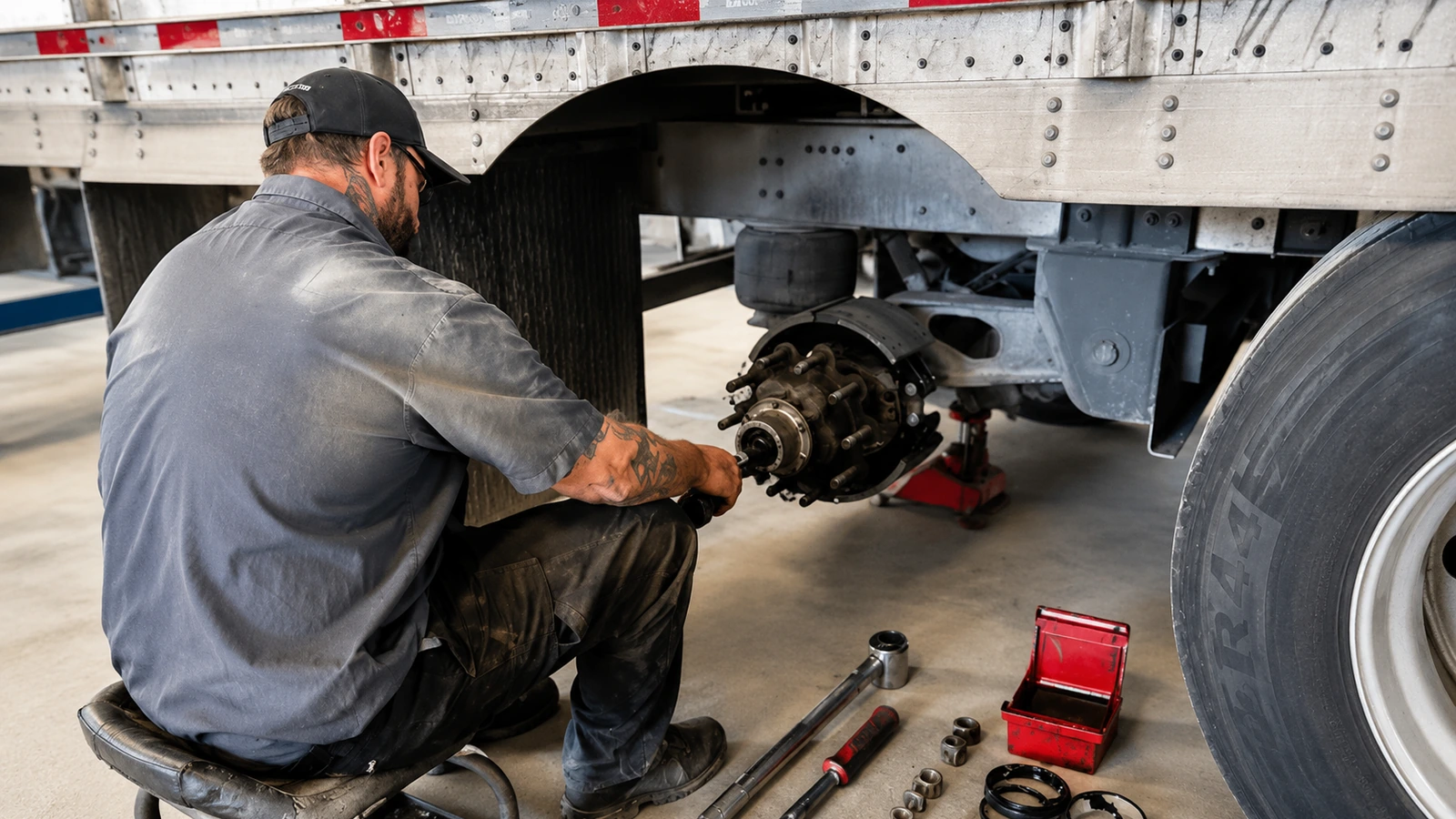
The oil change is not the most valuable part of a PM. The inspection is. A strong inspection helps identify the issues that are developing before they turn into expensive downtime.
- Brakes, tires, wheel ends, suspension, and steering
- Cooling systems, belts, hoses, and driveline components
- Air systems, lighting, electrical, exhaust, and emissions systems
- Fluid leaks, fifth wheel and coupling components, trailer components, and DOT-related safety items
This is where experienced technicians can make the difference between a planned repair and a roadside failure.
Better Visibility Helps Fleets Make Better Decisions
One of the biggest frustrations for fleet owners is not knowing what is really happening with their equipment. Vague updates like “the truck is done” or “we found a few things” are not enough information to manage a fleet.
STS Truck Services helps provide better visibility through technician notes, inspection findings, and photos when available. Customers can better understand what was inspected, what was found, what is urgent, what can be planned, what should be monitored, and what may affect safety, reliability, or operating efficiency.
We Help You Plan, Prioritize, and Budget Repairs
Not every repair has the same level of urgency. Some items should be addressed immediately because they affect safety, DOT compliance, braking, steering, wheel-end integrity, lighting, or breakdown risk. Other issues may be important but can be planned, scheduled, and budgeted.
- Critical / Safety-Related: Items that may affect safe operation, DOT compliance, braking, steering, wheel-end integrity, lighting, or risk of breakdown.
- Important / Plan Soon: Issues that may not require immediate shutdown but should be scheduled before they become more expensive.
- Monitor / Future Planning: Items that should be watched, documented, and reviewed during future inspections.
- Completed / Maintenance History: Services that have been completed and documented to build a stronger maintenance record.
Preventive Maintenance Helps Control Long-Term Operating Costs
A strong PM program is not just about today’s repair order. It is about long-term cost control, safer operation, better reliability, stronger equipment life, improved driver confidence, and a better maintenance history.
Consistent maintenance can reduce emergency repairs, repeat failures, roadside breakdowns, tire wear, brake-related issues, cooling system failures, aftertreatment problems, unplanned downtime, and major component damage.
PM Programs Are Not Just for Large Fleets
Preventive maintenance is not only for companies with 50 trucks. Owner-operators and small fleets may benefit even more because one breakdown can create a major financial disruption. If you operate one truck, that truck is your business. If it goes down, revenue stops.
A real PM program can help owner-operators and small fleets reduce surprise repairs, plan maintenance costs, protect customer commitments, improve uptime, extend equipment life, avoid preventable roadside failures, and make smarter repair decisions.
Heavy-Duty Truck Preventive Maintenance in Blair, Nebraska
STS Truck Services provides heavy-duty truck and fleet maintenance for vehicle owners in Blair, Nebraska, and the surrounding region, including the greater Omaha area, Fremont, Missouri Valley, Council Bluffs, and fleets operating near the I-29, I-80, Highway 30, Highway 75, Highway 91, and Highway 275 corridors.
Our focus is simple: safety, reliability, and efficiency.
Stop Running Your Trucks Until They Break
Most major breakdowns start as smaller issues that were missed, delayed, or never inspected. Do not wait until the truck is on the side of the road. Trust the experts at STS Truck Services to help inspect your equipment, identify small problems before they become big ones, and build a practical maintenance plan around your trucks, your schedule, and your budget.